Scar Revision in Santa Fe, NM



Scars heal in different ways. Some fade and flatten over time. Others stay raised, sunken, tight, dark, or uneven. Acne scars can leave behind texture. A surgery or injury can leave an incision line that still stands out long after the wound has closed. Some scars even feel itchy, thick, or painful.
At Ageless Aesthetics, we treat scar revision in Santa Fe with care and good judgment. We look at the type of scar, the depth of the scar tissue, the condition of the surrounding skin, and how the area has healed before building a treatment plan. Some patients need a lighter approach. Others need deeper scar revision treatment with several steps spaced out over time. The goal is to improve texture, support healthy skin, and help the scar blend in more naturally.
Scar revision is a treatment process that improves the look and feel of scars by addressing scar tissue, uneven texture, and the way the skin healed after acne, surgery, or injury. Depending on the type of scar, treatment may include microneedling, PRF injections, RF microneedling, laser therapy, or other treatments that support collagen remodeling.

Scar revision helps address scars that look uneven, feel tight, or leave behind noticeable surface irregularities. In simple terms, treatment works in two ways. First, it can help break up bound-down scar tissue. Then it helps the skin rebuild with healthier collagen over time.
Scar revision treatment may help improve:
A scar depends on many factors. The type of scar matters. The original wound matters. Blood supply, inflammation, skin type, the location on the body, and the amount of tension on the area all play a role in how scars form.
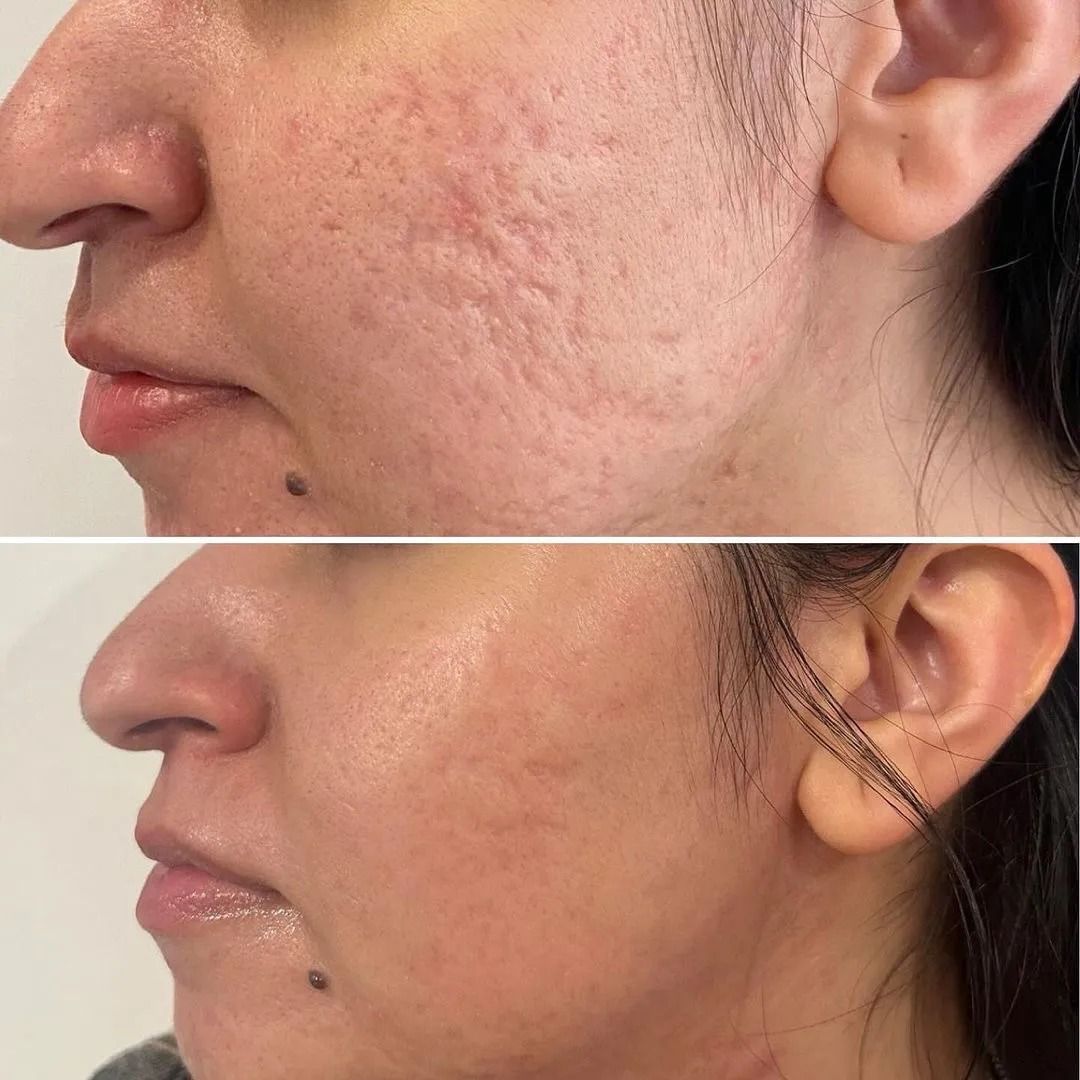
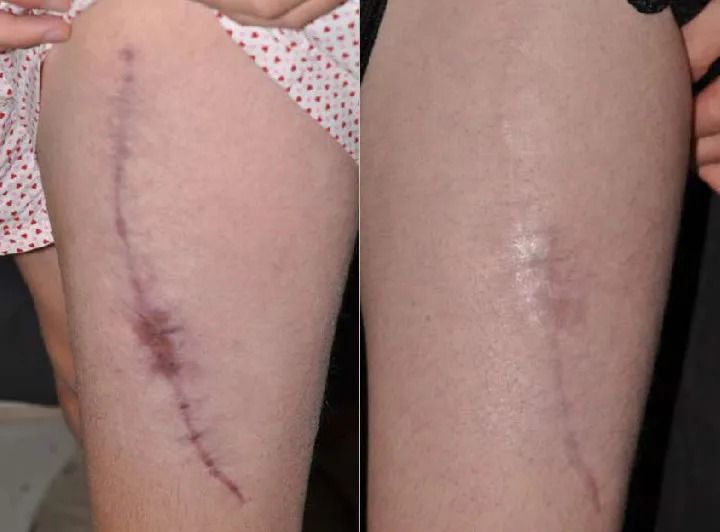
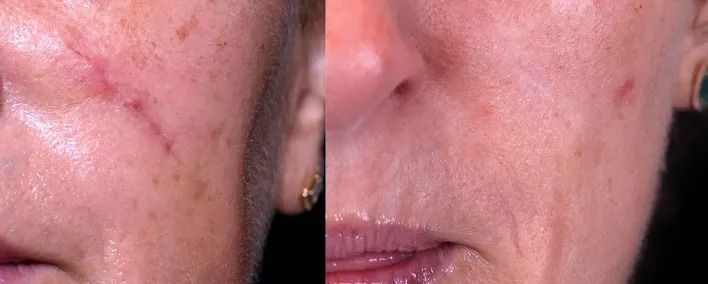
Scar revision is not one treatment for every scar. Some scars sit close to the surface and mainly affect texture. Others are deeper, thicker, or more tethered to the tissue below. At Ageless Aesthetics, we group scar revision by severity so the treatment plan reflects what the skin actually needs.
Level 1 scar revision is used for milder scars, including shallow acne scars and minor textural changes. These scars often respond well to collagen-focused treatment. Care at this level may include scar release with a cannula, microneedling, and PRF injections to help smooth the skin and support healing.
Level 2 scar revision is used for deeper scars that need more than surface treatment alone. These scars often benefit from a combination of scar release, PRF injections, and RF microneedling. This helps work further into the tissue and encourages stronger collagen remodeling over time.
Level 3 scar revision is reserved for more severe scars. These may include deeper scars, uneven high and low points, thicker tissue, or scars that have healed in a more complex way. Treatment may combine scar release, PRF injections, RF microneedling, laser therapy, laser resurfacing for raised areas, and TCA for deeper depressions.
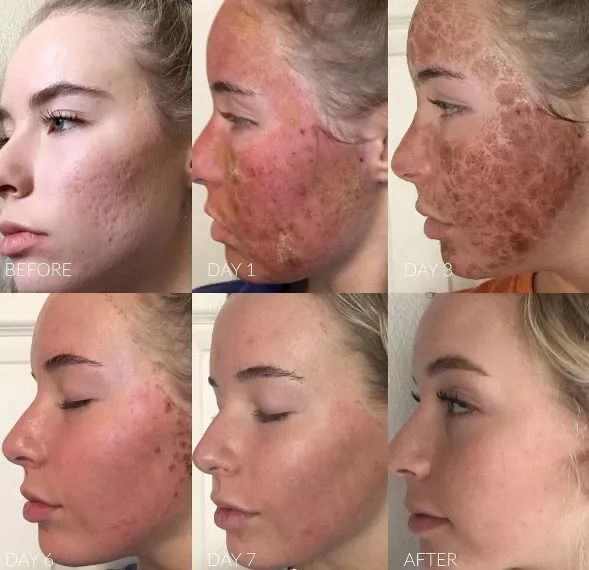
Level 3 Scar Revision is the most challenging of all scars and includes a treatment plan with a scar revision with a cannula to break up the scar tissue, Platelet Rich Fibrin Injections to stimulate new collagen and cellular regeneration, RF Microneedling to penetrate deeper and work at the dermal layer, Laser Resurfacing the high points to level the texture of the scar and divots treated with TCA to raise the deepest hollow of the scar.
Scar revision cannot erase scars completely. What it can do is help make them less noticeable. For many patients, that means smoother texture, softer edges, better color, and skin that looks more even in natural light.
Benefits of scar revision may include:
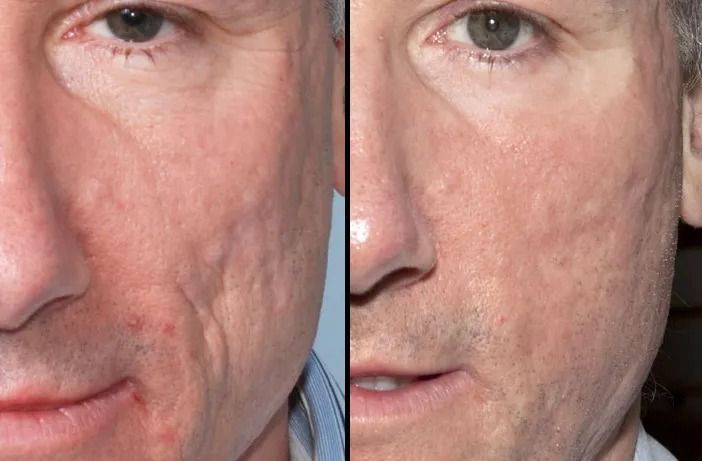
You may be a good candidate for scar revision if you have a healed scar that still feels raised, sunken, thick, tight, or uneven. This is common with acne scars, surgical scars, and scars left behind after an injury. Some patients come in because the scar affects appearance. Others want to address scars that feel itchy, painful, or noticeable in motion.
Consultation matters here. The right scar revision treatment depends on your skin type, the type of scar, the severity of the scar, and how the tissue behaves. Some scars improve with nonsurgical treatment. Others may need different treatment options, or even referral for plastic surgery or scar revision surgery.











A scar revision appointment starts with a close look at the scar itself. We examine the area of skin, check the depth of the scar tissue, and look at how the scar changes with movement and light. From there, we decide which procedure makes the most sense for that visit.
Your treatment may include:

Yes. Downtime depends on the treatment and the severity of the scar. A lighter session may leave you pink for a day or two. A deeper procedure can lead to more redness, swelling, dryness, or flaking, especially when several treatments are combined.
You may notice:
Social downtime and physical recovery are not always the same. You may feel fine quickly but still look flushed for a little while. That matters if you are planning around work, events, or photos.

Scar revision can be uncomfortable, but most patients tolerate it well. The exact feeling depends on the procedure. Microneedling can feel prickly. RF microneedling often feels warmer and sharper. Scar release creates pressure under the skin. Laser therapy can feel hot in short bursts.
For most patients, the experience falls into the mild discomfort range, though some areas can feel more sensitive than others. We use numbing when needed and guide you through the process step by step.
Scar revision results take time. Some early swelling can make the skin look smoother at first, but the real change happens during healing. As collagen rebuilds over the next several months, the skin can start to look smoother and more even.
Most patients notice:
Optimal results usually come from multiple treatments, not a single visit. The number of sessions depends on the type of scar, the severity, your skin type, and how your skin responds during the process.
No. Scar revision can improve a scar, but it cannot fully erase it. That is true whether you are treating acne scars, surgical scars, hypertrophic scars, or deeper scars from injury. The goal is to minimize the scar so it looks smoother, softer, and less noticeable. In some cases, treatment can also help restore comfort or function if the scar feels tight or thick.

In-office treatment does the heavy lifting, but good home care helps support healing. Professional skincare can help protect the skin barrier, calm inflammation, reduce dryness, and support healthier recovery between visits.
Depending on your skin and the timing of your treatment, your provider may recommend:
This part matters more than many patients expect. Healthy skin usually responds better to treatment and heals more evenly.
Scar revision is one of the more detailed treatment categories in aesthetics because scars form in different ways and respond differently over time. Some need collagen support. Some need scar release. Some need laser therapy or other treatments layered in the right order.
At Ageless Aesthetics, we take a careful approach to scar revision in Santa Fe. We assess the tissue closely, look at the type of scar, and build a treatment plan based on what your skin can realistically achieve. Our laser technicians are Registered Nurses who are trained and certified in performing all levels of our scar revision treatments in compliance with New Mexico regulations.
Patients come to us for many different reasons. Some want to address acne scars that still affect their appearance years later. Others want help with a scar after surgery, a visible incision, or an old injury that still draws the eye. Our job is to be honest about the process, choose the right treatment options, and guide you through treatment with care.

Scar revision takes planning, patience, and a treatment plan that fits the skin in front of us. If you want to improve acne scars, surgical scars, or other noticeable scars, schedule a consultation at Ageless Aesthetics in Santa Fe. We will assess the area, talk through your options, and help you understand what kind of improvement is realistic.
Scar revision cost depends on the type of scar, the size of the area of skin being treated, and how many treatments are needed. During consultation, we examine the tissue closely, build the treatment plan, and give you a clear quote based on the work involved.
No. Scar revision is commonly used for acne scars, but it can also help address scars from surgery, injury, and other forms of healing.
Most patients need multiple treatments. The exact number depends on the type of scar, the severity, and how your skin responds over time.
Depending on the scar, treatment may include cannula scar release, microneedling, PRF injections, RF microneedling, laser therapy, laser resurfacing, or TCA.
Some change shows up after the skin settles from treatment, but the bigger improvement usually takes several months as collagen rebuilds.
In many cases, yes. Treatment choice matters, especially in darker skin tones, and your provider will help choose the safest and most effective option for your skin type.
Yes. Scar revision often works best when it is combined with other treatments in a thoughtful sequence. Depending on the scar, your plan may include microneedling, RF microneedling, injections, resurfacing, dermal fillers, or other treatments.
At Ageless Aesthetics, every detail of your experience is guided by a deep commitment to thoughtful care, refined results, and genuine connection. We take the time to understand your goals and tailor each treatment with precision, integrity, and intention. If you're ready to explore what personalized aesthetic care can truly feel like, we invite you to schedule a consultation and begin your journey with us.